
TL;DR

Get decor and gifts delivered free — and shop member deals
- Fast, free delivery on millions of items
- Access to Prime Big Deal Days deals on October 6–7
- Prime Video, Amazon Music and more included
Amid a heatwave reaching 40°C, Dutch people are adopting unconventional cooling methods, including mobile jungle setups and shadow art installations. These efforts reflect local creativity in managing extreme temperatures.
As temperatures in the Netherlands soar to around 40°C, residents are turning to innovative methods to stay cool, including setting up mobile jungles and creating shadow art installations. These efforts highlight how Dutch communities are adapting to increasingly extreme weather conditions, which are becoming more frequent due to climate change.
In response to the record-breaking heatwave, Dutch cities and towns are deploying mobile jungle structures—temporary, lush green setups designed to provide shaded, cooling environments in urban areas. These jungles are often made from lightweight, portable materials, allowing for quick deployment in public spaces such as parks and plazas, according to local organizers.
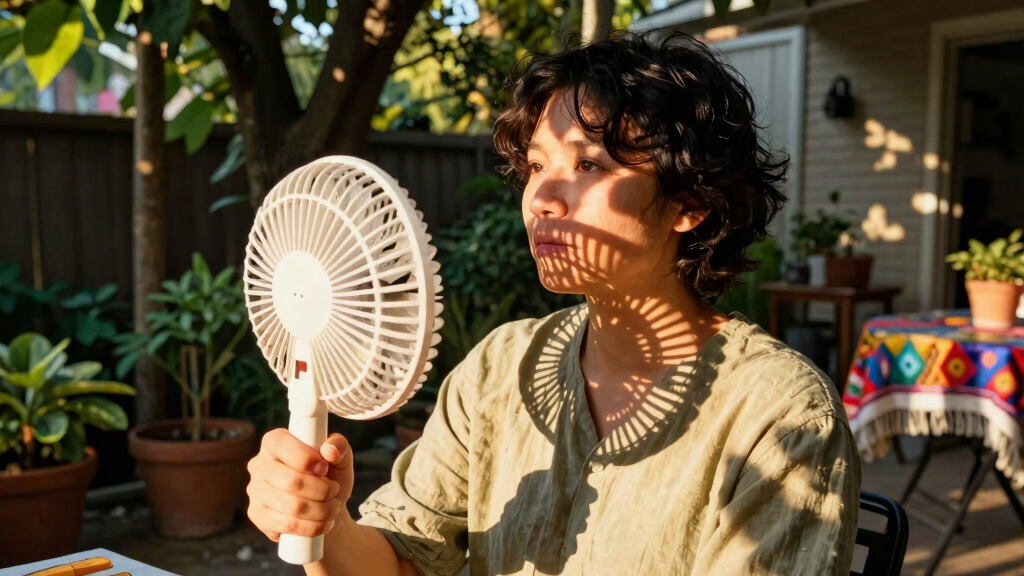
Additionally, artists and community groups are creating shadow art installations—large-scale murals and sculptures that cast intricate shadows during peak sunlight hours. These installations serve both as cooling features and as cultural expressions, drawing attention to climate resilience. The initiatives are driven by local authorities, environmental groups, and artists, aiming to provide relief and raise awareness.
Officials confirm that these measures are part of broader efforts to mitigate the health risks associated with extreme heat, including heatstroke and dehydration, especially among vulnerable populations like the elderly and children.
Innovative Cooling Strategies Reflect Climate Adaptation in the Netherlands
The adoption of mobile jungles and shadow art by Dutch communities underscores a growing trend of creative climate resilience. As heatwaves become more frequent and intense, such grassroots initiatives demonstrate how local populations are innovating to cope with climate change impacts. These methods not only provide immediate relief but also serve as visual reminders of the urgent need for sustainable urban planning and environmental awareness.
This approach may influence other regions facing similar challenges, showcasing the importance of community-led solutions in climate adaptation efforts. Moreover, these strategies contribute to public engagement and education about climate issues, fostering a culture of resilience and innovation.
As an affiliate, we earn on qualifying purchases.
Dutch Cities and Climate Change: Rising Temperatures and Community Responses
The Netherlands has experienced increasingly severe heatwaves in recent years, with temperatures reaching up to 40°C during the current spell. Historically known for its moderate climate, the country is now grappling with the health and infrastructural impacts of climate change. Local governments have issued heat advisories, urging residents to take precautions.
Previous efforts have included opening cooling centers and distributing water, but the current wave has prompted more creative responses. Artists, community groups, and city planners are collaborating to develop outdoor solutions like mobile jungles and shadow art, aiming to provide relief while raising awareness about climate resilience.
Experts warn that such measures are temporary and highlight the need for long-term strategies, including sustainable urban design and green infrastructure, to address the root causes of rising temperatures.
“These mobile jungles are a breath of fresh air—literally—showing how communities can creatively adapt to the heat.”
— Climate activist Janine de Vries
Long-Term Effectiveness and Scalability of Creative Cooling Methods
It is not yet clear how sustainable or scalable these mobile jungles and shadow art initiatives are for wider implementation across the Netherlands or other regions. Questions remain about their durability, maintenance, and actual cooling capacity during prolonged heatwaves. Experts caution that while innovative, these solutions are temporary and do not replace comprehensive climate adaptation strategies.
Monitoring Impact and Expanding Community-Led Climate Initiatives
Authorities and community groups plan to monitor the effectiveness of these cooling measures over the coming weeks and months. There is potential for expanding such projects, integrating them into official urban planning and climate resilience programs. Additionally, increased public engagement and awareness campaigns are expected to promote further grassroots solutions to climate challenges.
Key Questions
Are mobile jungles effective in cooling outdoor spaces?
While they provide shaded areas and can reduce local temperatures temporarily, their overall cooling capacity during extended heatwaves is still being evaluated by organizers and climate experts.
Who is funding these creative cooling projects?
Funding comes from a combination of local government budgets, environmental grants, and community fundraising efforts, with some projects supported by arts organizations.
Can shadow art installations help reduce urban heat?
Yes, by casting large shadows, these installations can lower surface and air temperatures in their immediate vicinity, offering relief in hot weather.
Will these initiatives continue after the current heatwave?
It is uncertain; some projects are temporary, but successful ones may inspire ongoing community-led climate adaptation efforts.
What long-term strategies are the Dutch government considering?
Officials are exploring sustainable urban planning, green infrastructure, and climate-resilient building designs to address rising temperatures more permanently.
Source: google-trends
Fall Picks
fall essentials
As an affiliate, we earn on qualifying purchases.