
TL;DR

Get decor and gifts delivered free with Prime
- Fast, free delivery on millions of items
- Prime Video, Amazon Music and more included
- Member-only deals all year
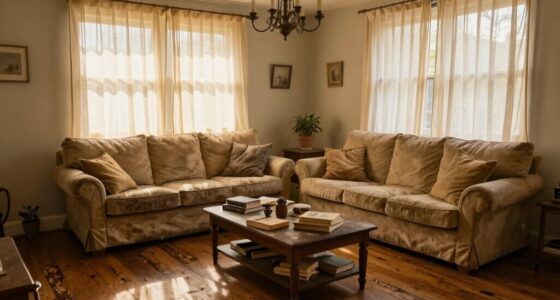
A House Beautiful report describes research on “place authenticity,” a subjective sense that a place is genuine and connected to history, culture or community. Psychologist Ashley Krause says that feeling may help explain why some people feel emotionally drawn to antiques and historic places, but the concept does not mean old decor affects everyone the same way.
A House Beautiful report explores why some people feel comfort and belonging in antique-filled homes and historic places, drawing on psychologist Ashley Krause’s research into “place authenticity.” Krause describes the experience as a personal response to places that seem connected to their history, culture or community—not as a universal effect of old objects.
Krause, a doctoral student in the University of Florida’s Department of Psychology and co-author of a study on the concept, defines place authenticity as the distinctive quality that makes a place feel genuine, alive and connected to its past or to the people who use it. The report links that perception to the appeal of antique decor and historic settings, where signs of age and individual character can feel different from standardized spaces.
According to Krause, the experience can reflect several features at once: distinctive design and materials, sensory details such as textures and smells, historical or cultural references, and meaningful ties among people who gather there. A place may also feel warm and lived-in, with evidence that it has been shaped by its occupants rather than assembled from interchangeable design choices.
The report says Krause’s study asked participants to recall a time they felt connected to a particular place. The researchers found that participants’ descriptions of a place’s authenticity were linked to deeper emotional and psychological connections. That finding is an association from the reported study; it does not establish that antique decor itself causes better mental health or that every visitor will react in the same way.
Why Old Places Can Feel Personal
The concept offers one explanation for why an old building, neighborhood shop or inherited object can feel more meaningful than its appearance alone would suggest. Such places may connect people with personal memories, local identity or cultural history, while distinctive sensory details can make an environment feel specific rather than generic.
For readers deciding how to make a home feel more personal, the report’s point is not that a room needs expensive antiques or a carefully staged period look. Krause says authenticity depends on genuine connections and emotional resonance, not merely copying a vintage aesthetic. Objects that carry personal or cultural significance may matter more than their age or market value.
The idea also places limits on broad claims about design and wellbeing. A setting that feels rooted and comforting to one person may not feel authentic to someone else, particularly if that person associates the place with a different history. The practical takeaway is that personal meaning varies; old decor is one possible route to it, not a psychological prescription.
As an affiliate, we earn on qualifying purchases.
How Authenticity Takes Shape at Home
The report situates interest in antiques amid renewed attention to homes described as having an “old soul,” along with appreciation for individuality and lived-in interiors. It presents place authenticity as a socioecological concept: people’s experience of a location is shaped not just by its physical appearance but also by relationships, history and the surrounding community.
Krause says the feeling is subjective and changeable. Two people can judge the same place differently, and one person’s view can shift with circumstances. A neighborhood business, for example, might feel like a community landmark to one visitor but seem new or inauthentic to someone who remembers what occupied the site before.
For newer homes, Krause recommends drawing on elements that have genuine significance, such as heirlooms, antique furniture or artwork reflecting a person’s identity or culture. The report also emphasizes that this sense develops over time. A new space can acquire meaning through the people who use it and the personal choices they make, rather than through decoration alone.
“Place authenticity refers to the unique essence of a place that makes it feel genuine, alive, and connected to its history, culture, or community.”
— Ashley Krause, doctoral student in psychology at the University of Florida and co-author of a study on place authenticity
What the Research Does Not Establish
The supplied report does not provide the study’s sample size, methods in detail, publication date or effect estimates, limiting what can be concluded about how broadly its findings apply. The reported link between perceived authenticity and emotional connection does not show that one causes the other, or that antique objects produce a specific psychological benefit.
It also remains unclear how much of a person’s response comes from a setting’s sensory qualities, its history, personal memories or social relationships. Krause’s account explicitly treats authenticity as subjective, so the same design feature may reassure one person and mean little—or something different—to another.
Ways to Build Meaning Over Time
The report offers practical suggestions rather than a policy change or scheduled next research milestone. People seeking a more personal home can introduce objects connected to their own histories and values, and allow rooms to develop through use instead of trying to reproduce an antique look all at once. Krause’s framework also points to the role of relationships and shared routines in making a space feel lived-in.
No further study findings or follow-up plans are identified in the supplied material. For now, the central point is that history, sensory character and personal connection may help explain why some people are drawn to old places, while the experience remains individual and the evidence described does not establish a universal effect.
Key Questions
What does “place authenticity” mean?
Psychologist Ashley Krause uses the term for a place’s perceived connection to history, culture or community, along with qualities that make it feel distinctive and genuine.
Does antique decor make everyone feel more comfortable?
No. The report describes authenticity as subjective. People can respond differently to the same place, and the study described does not show that antiques reliably improve wellbeing.
What features can contribute to a place feeling authentic?
Krause identifies distinctive architecture and materials, sensory details, historical or cultural references, community connections and a warm, lived-in atmosphere.
How can someone make a new home feel more personal?
The report suggests using objects with personal or cultural meaning—such as heirlooms, antiques or artwork—and allowing the home’s character to develop over time. Simply copying a vintage style may not create the same sense of connection.
Source: rss
Halloween Picks
halloween
As an affiliate, we earn on qualifying purchases.