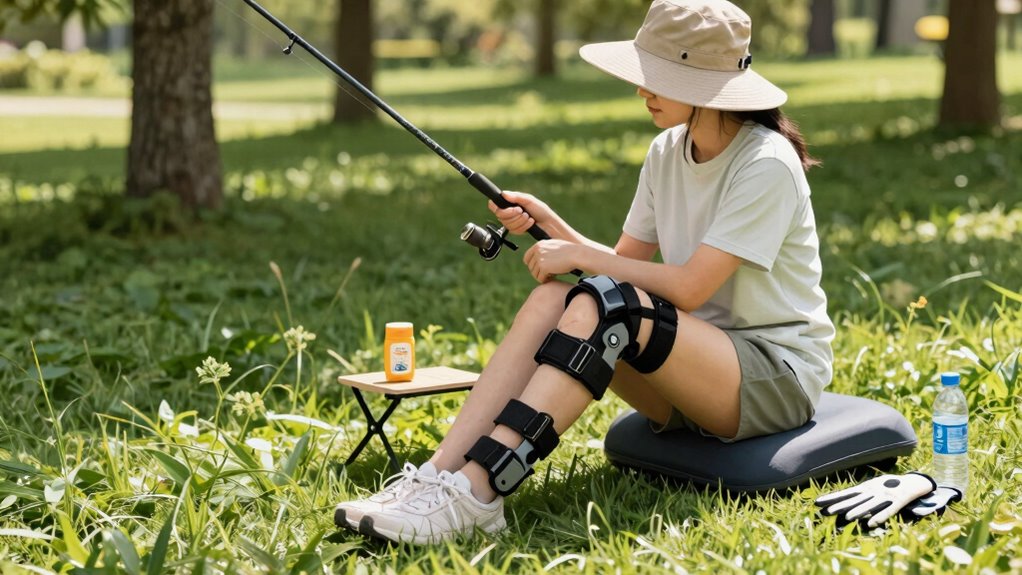
To make outdoor hobbies easier on your joints, use ergonomic tools with adjustable features and keep your equipment well-maintained. Break large tasks into smaller, manageable parts and take frequent breaks to prevent fatigue. Focus on proper body mechanics by bending at your hips and knees, and wear supportive footwear for stability. Incorporate stretching and strengthening exercises to boost joint health. If you keep these tips in mind, you’ll discover more ways to enjoy outdoor activities comfortably.

Get decor and gifts delivered free — and shop member deals
- Fast, free delivery on millions of items
- Access to Prime Big Deal Days deals on October 6–7
- Prime Video, Amazon Music and more included
Key Takeaways
- Use ergonomic tools and equipment to reduce strain during outdoor activities.
- Break tasks into smaller, manageable sessions to prevent joint fatigue.
- Maintain proper body mechanics, such as bending at hips and knees, during activities.
- Incorporate stretching and strengthening exercises to support joint health regularly.
- Take frequent breaks and listen to your body to avoid overexertion and joint flare-ups.
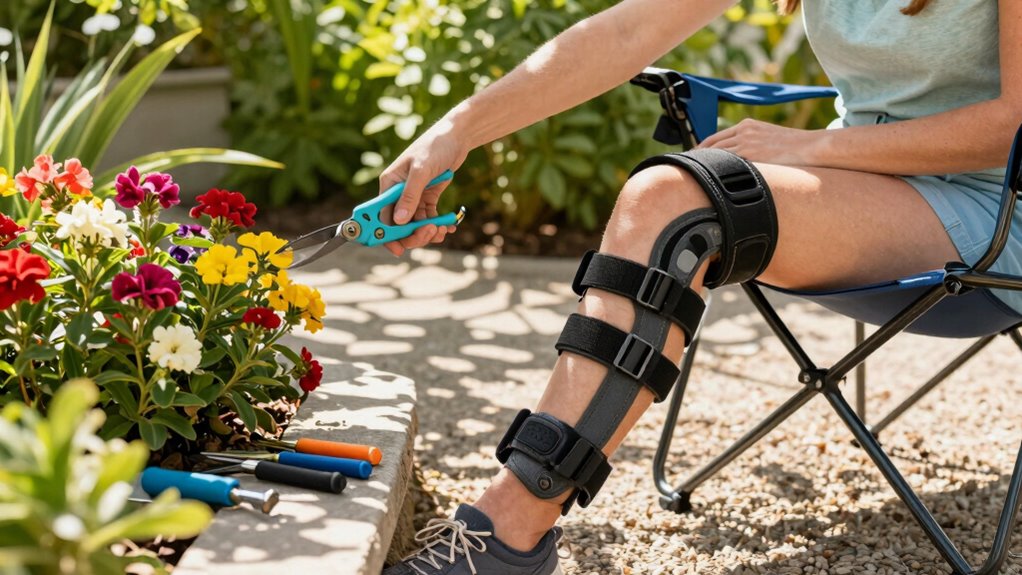
If you love outdoor hobbies but struggle with joint pain, you’re not alone. Many enthusiasts find that activities like gardening, hiking, or yard work can become uncomfortable or even painful over time. The good news is, you can make these hobbies easier on your joints by adopting some smart strategies. One key area to focus on is vegetation management. Keeping your yard or garden well-maintained helps reduce the need for strenuous efforts. Trim overgrown plants regularly so you don’t have to exert extra force to clear dense bushes or weeds. Using appropriate tools designed for ergonomic comfort can also lessen joint strain. For example, long-handled pruners or lightweight weed pullers allow you to work while minimizing bending and reaching, which can be tough on knees and hips.
Another critical aspect is equipment maintenance. Well-maintained tools perform better and require less effort to operate. Dull blades, for instance, make cutting plants or trimming branches more difficult, causing you to apply more pressure and strain your joints. Regularly sharpening blades and lubricating moving parts can keep equipment functioning smoothly, saving you energy and reducing discomfort. Power tools like trimmers or hedge cutters should be checked frequently to ensure they are in good working order. Properly functioning equipment not only makes your work easier but also reduces the risk of sudden jerks or slips that could lead to injury or joint flare-ups. Additionally, investing in ergonomic gardening tools can significantly improve comfort during outdoor tasks.
In addition to managing vegetation and maintaining your tools, consider adjusting your approach to outdoor tasks. Break chores into smaller, manageable sessions instead of trying to complete everything at once. This prevents overexertion and allows your joints to rest between tasks. When digging, planting, or lifting, use proper body mechanics—bend at the hips and knees rather than the waist, and keep the load close to your body. Wearing supportive footwear and using knee pads can also help absorb shock and provide extra stability. Incorporating proper equipment maintenance into your routine ensures your tools stay in optimal condition, making outdoor activities easier and safer. To further ease joint stress, you might explore joint-friendly outdoor activities that are gentler on your body. Moreover, selecting tools with adjustable features can help customize your work position, reducing strain during prolonged activities.
Lastly, don’t forget to incorporate gentle stretching and strengthening exercises into your routine. These can improve joint flexibility and muscle support, making outdoor activities less painful. Listening to your body is essential; if you feel pain, take a break or switch to a less demanding activity. Remember that joint health can be supported through proper nutrition and hydration, which play a vital role in maintaining mobility. With mindful vegetation management, diligent equipment maintenance, and proper techniques, you’ll find outdoor hobbies more enjoyable and less taxing on your joints.
Frequently Asked Questions
Are There Specific Outdoor Hobbies Better for Joint Health?
Yes, some outdoor hobbies are better for your joint health. Low impact activities like walking, cycling, or kayaking put less stress on your joints. Using joint-friendly equipment, such as ergonomic bikes or cushioned mats, can also help. These hobbies allow you to enjoy nature while minimizing joint pain. Focus on activities that promote gentle movement and avoid high-impact sports to protect your joints and stay active longer.
What Clothing Can Help Reduce Joint Strain Outdoors?
To reduce joint strain outdoors, wear clothing made from moisture-wicking fabrics that keep you dry and comfortable, preventing irritation. Opt for padded footwear to cushion your joints during activities like hiking or gardening. Loose-fitting, supportive clothes can also help, reducing pressure on sensitive joints. By choosing the right clothing, you’ll stay comfortable longer and lessen joint stress, making outdoor hobbies more enjoyable and less painful.
How Can I Warm up Safely Before Outdoor Activities?
Picture your body as a well-oiled machine ready to hit the outdoors. To warm up safely, start with gentle pre-exercise stretching, like waking up your muscles with a soft breeze. Follow that with proper hydration, fueling your muscles like watering plants before a big day. This combo prepares your joints and muscles, reducing strain and injury, so you can enjoy your outdoor activities with energy and ease.
Are There Supplements That Support Joint Health During Outdoor Hobbies?
Yes, joint supplements like glucosamine and chondroitin can support joint health during outdoor hobbies. You might also consider herbal remedies such as turmeric or boswellia, which have anti-inflammatory properties. These options can help reduce joint discomfort and improve mobility. Always consult your healthcare provider before adding new supplements or herbal remedies to guarantee they’re safe and suitable for your specific needs.
How Often Should I Rest to Protect My Joints?
You should rest your joints regularly, ideally every 30 to 45 minutes of activity, to protect joint flexibility and prevent strain. Listen to your body; if you feel pain or stiffness, take a break sooner. Incorporating short rests helps maintain healthy joint function during outdoor hobbies, ensuring you can enjoy longer sessions. Proper rest between activity sessions keeps your joints healthy and reduces the risk of overuse injuries.
Conclusion
By taking these simple steps, you can enjoy your outdoor hobbies longer and with less pain. But what if the next adventure still surprises you? The key lies in your willingness to adapt and listen to your body. As you implement these tips, stay alert for unexpected challenges that could test your limits. The secret to truly savoring outdoor joys might just be a careful balance—one you can master, with the right mindset and approach.
Fall Picks
fall essentials
As an affiliate, we earn on qualifying purchases.