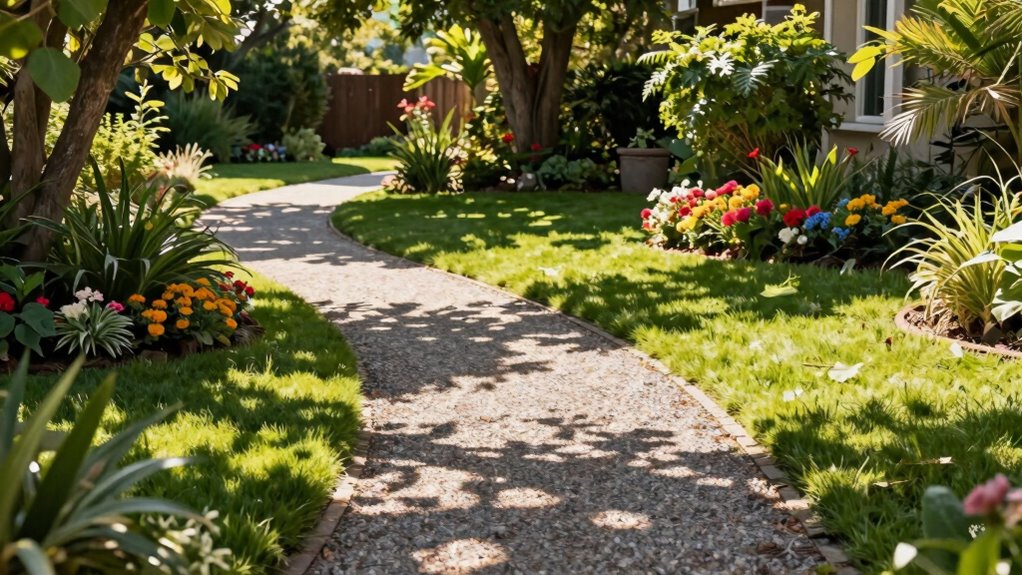

Having a dedicated walking path around your house makes it easy to stay active daily. You can enjoy outdoor scenery, breathe fresh air, and get exercise anytime, rain or shine. It helps improve your fitness, supports weight management, and boosts your mood. Safety features like proper lighting and smooth surfaces guarantee a secure walk. Keep exploring to discover more ways to create the perfect outdoor space for your health and well-being.

Get decor and gifts delivered free with Prime
- Fast, free delivery on millions of items
- Prime Video, Amazon Music and more included
- Member-only deals all year
Key Takeaways
- They make it easy to incorporate regular exercise into daily routines without needing to visit a gym or park.
- Consistent use of walking paths improves cardiovascular health, endurance, and overall fitness levels.
- Safe, private paths encourage more frequent walking, supporting weight management and physical activity goals.
- Scenic outdoor surroundings enhance enjoyment, motivation, and mental well-being during exercise.
- Properly designed paths with safety features reduce injury risk and ensure a secure environment for exercise.
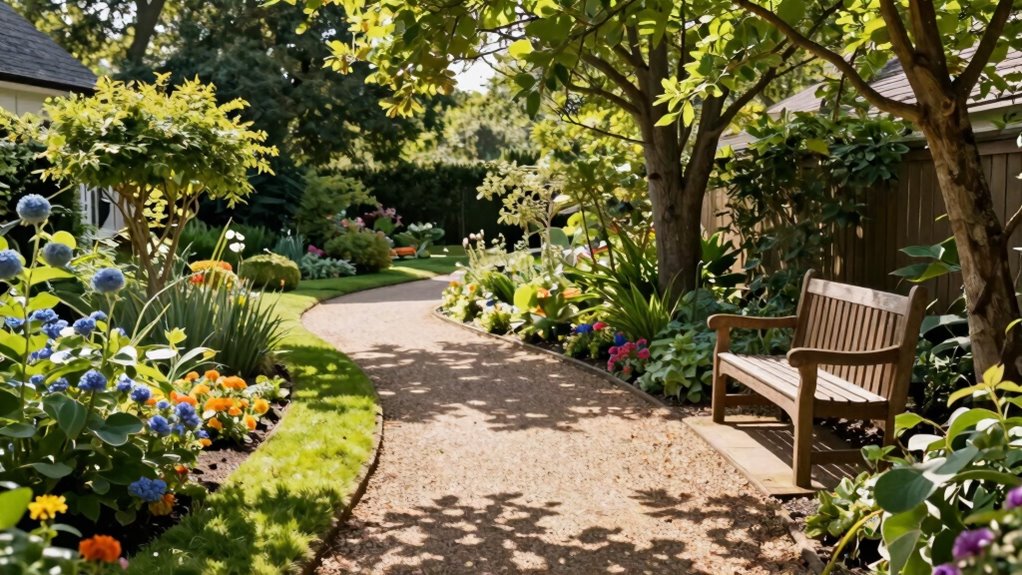
Walking paths offer a convenient and accessible way to stay active and improve your overall fitness. When you have a dedicated walking path around your house, it becomes easier to fit exercise into your daily routine without the need for a gym or a trip to a park. These paths encourage consistent movement, which is essential for maintaining cardiovascular health, building endurance, and managing weight. Plus, they give you a private space where you can walk comfortably at any time, regardless of weather or busy schedules.
A personal walking path around your home makes staying active easy, private, and adaptable to your schedule and weather.
One of the biggest advantages of walking paths around your house is the outdoor scenery you can enjoy during your walks. Lush greenery, colorful flowers, or even a small water feature can make your exercise routine more enjoyable and calming. The natural surroundings help reduce stress and boost your mood, making it easier to stay committed to your fitness goals. As you walk, you also get the chance to connect with nature, breathe fresh air, and soak up sunlight, which all contribute to your overall well-being. Incorporating outdoor scenery into your routine can significantly enhance your exercise experience and motivate you to stay consistent.
However, safety considerations are essential when establishing walking paths around your house. You want to guarantee that the surface is even and free of obstacles like rocks, roots, or debris that could cause trips or falls. Proper lighting is necessary, especially if you plan to walk early in the morning or later in the evening. Well-lit paths help you see where you’re going and deter any potential intruders or animals. Additionally, consider the material of your walking surface—paved, gravel, or mulch—based on your comfort and safety needs. Non-slip surfaces are particularly important if you live in an area prone to rain or snow. Using appropriate materials for your path can also extend its durability and safety.
Another safety tip involves being mindful of your surroundings. Keep an eye out for low-hanging branches, overgrown shrubs, or uneven patches that could cause accidents. Installing handrails or boundary markers can also add an extra layer of security, especially if children or elderly family members are using the path. Always stay hydrated, wear appropriate footwear, and carry a cell phone in case of emergencies. Remember to check the weather forecast before heading out and avoid walking during extreme conditions, such as storms or very high temperatures. Taking the time to plan your route can also help ensure you stay on safe and suitable paths. Additionally, using proper footwear can help prevent injuries and improve comfort during your walks. Incorporating safety measures and thoughtful planning can make your walking experience more enjoyable and secure. Being aware of weather conditions and adjusting your plans accordingly can further enhance your safety and comfort.
As an affiliate, we earn on qualifying purchases.
Frequently Asked Questions
How Long Should a Walking Path Be for Effective Exercise?
You should aim for a walking path that’s at least 20 to 30 feet long for effective exercise, allowing you to walk comfortably and maintain a steady pace. Choose durable path material like concrete or gravel, and regularly perform path maintenance to prevent uneven spots or debris. This length and proper upkeep help you stay consistent, avoid injuries, and maximize your fitness benefits while enjoying your outdoor space.
Can Walking Paths Be Customized for Different Fitness Levels?
Absolutely, walking paths can be customized for different fitness levels. Picture yourself adjusting the path’s length with personalization options like adding curves or obstacles, depending on your strength and stamina. You can choose material options—smooth concrete for beginners or textured surfaces for advanced walkers—that challenge or support you. These customizations make your walking experience safer and more effective, keeping you motivated as you progress through your fitness journey.
What Are the Safety Considerations for Outdoor Walking Paths?
You should prioritize safety by ensuring proper lighting safety along your outdoor walking path to prevent trips and falls, especially at night. Check that the surface is durable, providing stable footing and reducing the risk of injuries from cracks or uneven areas. Regularly inspect the path for hazards, keep it clear of debris, and consider adding handrails or markers in tricky sections to enhance safety during your walks.
How Do Walking Paths Promote Mental Well-Being?
Walking paths boost your mental well-being by encouraging mindfulness practices, helping you stay present and reduce stress. As you stroll along a scenic route, you’ll notice calming sights and sounds that elevate your mood. Regular walks also provide a peaceful space to clear your mind, foster relaxation, and improve overall mental health. Embracing these scenic route benefits makes walking a simple yet effective way to nurture your emotional resilience.
Are There Budget-Friendly Options for Creating Walking Paths?
Yes, you can create budget-friendly walking paths with DIY projects and simple landscaping ideas. Use materials like gravel, mulch, or recycled bricks, which are affordable and easy to install. Reuse old pavers or stones for a rustic look. You might also consider natural elements like stepping stones or wood chips. These options allow you to design a functional, attractive walking path without breaking the bank.
Conclusion
Having a walking path around your house makes staying active easy and convenient, even on busy days. Some might think it’s not enough for real fitness, but consistent walking boosts your health, improves mood, and burns calories. Plus, it’s gentle on your joints and perfect for all fitness levels. So don’t wait for the perfect gym session—start today with a simple path that keeps you moving and feeling great every day.
Halloween Picks
halloween
As an affiliate, we earn on qualifying purchases.