TL;DR

Get decor and gifts delivered free with Prime
- Fast, free delivery on millions of items
- Prime Video, Amazon Music and more included
- Member-only deals all year
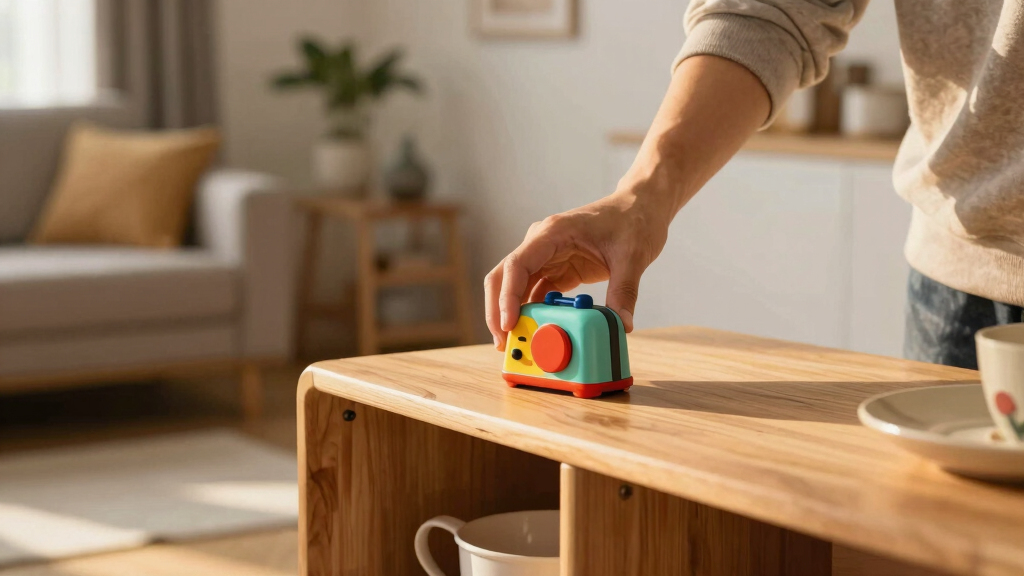
A homeowner is placing a $14 kitchen accessory on their living room shelves to enhance decor. This trend reflects a crossover of functional kitchen items into living spaces. The move is confirmed and gaining attention, but the full impact remains to be seen.
A homeowner has publicly shared their decision to place a $14 kitchen accessory on their living room shelves, citing aesthetic and functional reasons. This move highlights a growing trend of blending kitchen items into living spaces, which has caught the attention of interior design enthusiasts and consumers alike.
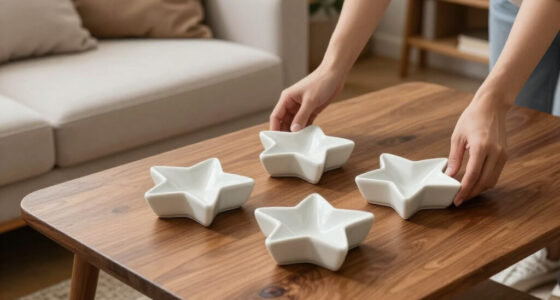
The individual, whose social media post has gone viral, explained that they chose a specific kitchen accessory—described as a decorative but functional item costing $14—to add visual interest and practicality to their living room decor. The accessory, which is typically used in kitchens, is now being repurposed as a decorative element on shelves in a different room.
Confirmed by the homeowner, this approach aims to create a cohesive, eclectic aesthetic by integrating affordable kitchen items into living spaces. The accessory in question is a common kitchen tool or decorative object, now serving as a conversation piece. The post has received widespread attention, with many viewers praising the creativity and affordability of the idea.
While the trend of mixing household items across rooms is not new, this specific example emphasizes the use of inexpensive kitchen accessories as decor, challenging traditional room-specific decorating rules. Experts say this reflects a broader shift toward more flexible, budget-friendly interior design practices.
Potential Impact of Kitchen Items in Living Room Decor
This development matters because it signals a shift in interior design norms, where affordability and versatility are increasingly valued. The use of a $14 kitchen accessory on living room shelves demonstrates how consumers are rethinking space utilization and decoration, potentially influencing trends in home styling and retail marketing.
For consumers, this could mean more budget-conscious decorating options that break traditional room boundaries. For retailers, it opens opportunities to market kitchen accessories as multi-purpose decor items, expanding their appeal beyond functional use.
decorative kitchen accessories for living room shelves
As an affiliate, we earn on qualifying purchases.
As an affiliate, we earn on qualifying purchases.
Emerging Trends in Budget-Friendly Home Styling
Over recent years, interior design has moved toward personalization, affordability, and sustainability. The crossover of items between rooms, especially using inexpensive or multifunctional objects, has gained popularity among DIY decorators and social media influencers. This specific instance of a homeowner placing a $14 kitchen accessory in their living room is part of a larger trend of mixing and matching household items to create unique, personalized spaces.
Historically, decorating advice has emphasized room-specific aesthetics, but recent shifts favor eclectic, budget-friendly approaches. This example reflects how ordinary, affordable items are now being repurposed for aesthetic appeal beyond their traditional use.
“Using affordable kitchen accessories in living spaces can add personality and a touch of whimsy, making decorating more accessible for everyone.”
— Interior decorator Jane Smith
Unclear Long-Term Effects on Interior Design Trends
It is not yet clear whether this specific example will influence broader decorating practices or if it remains a niche trend. Experts note that while the idea is gaining popularity on social media, its long-term impact on interior design standards and consumer behavior is still uncertain.
Additionally, questions remain about the durability of such decor choices and whether they will be widely adopted in more formal or traditional settings.
Future Adoption and Industry Response
Moving forward, industry experts and consumers will observe whether this trend spreads to more households or remains a social media novelty. Retailers may begin marketing kitchen accessories as versatile decor items, and interior designers might incorporate similar ideas into their projects. Monitoring social media and home decor publications will provide insight into the trend’s evolution.
Key Questions
Why are people placing kitchen accessories in living rooms?
Many are doing so to create unique, budget-friendly, and eclectic decor that blends different household items for visual interest and practicality.
What types of kitchen accessories are being used?
Common items include decorative bowls, utensils, small gadgets, or themed objects that can serve as conversation starters or aesthetic accents.
Is this trend suitable for all home styles?
It depends on personal taste; eclectic and modern styles tend to embrace such mixing, while traditional or formal decor may be less receptive.
Will this influence retail marketing?
Potentially, as retailers might promote kitchen accessories as versatile decor, encouraging consumers to repurpose items creatively.
Are there any downsides to this approach?
Some may find it less suitable for formal settings or worry about durability and maintenance of unconventional decor items.
Source: rss
Halloween Picks
halloween
As an affiliate, we earn on qualifying purchases.