

The biggest mistake families make with mobility changes is focusing solely on immediate solutions like wheelchairs or home modifications, while ignoring emotional, psychological, and long-term needs. You might prioritize quick fixes without considering assistive technology or caregiver support, risking burnout and emotional struggles later. By only addressing logistics, you miss the broader picture necessary for sustainable care. Staying proactive about emotional well-being, technology, and future planning is essential—keep going to learn more.
Key Takeaways
- Focusing solely on immediate logistics like equipment, ignoring emotional and long-term adaptation needs.
- Underestimating or neglecting the role of advanced assistive technologies to enhance independence.
- Failing to provide adequate emotional and psychological support for the individual and caregivers.
- Overlooking caregiver burnout and not offering sufficient practical or emotional assistance.
- Ignoring the importance of a holistic, long-term planning approach for sustainable mobility management.

When families face mobility changes, they often focus on the immediate logistics—getting a new wheelchair or arranging home modifications—without considering the emotional and long-term impacts. It’s natural to prioritize these tangible solutions, but overlooking the emotional adjustment can lead to bigger issues down the line. One of the biggest mistakes you can make is not recognizing the importance of assistive technology beyond basic mobility aids. Today’s assistive technology options are more advanced and versatile than ever, offering tools that can significantly enhance independence and quality of life. From voice-activated devices to smart home systems, these technologies can reduce reliance on caregivers and foster a sense of empowerment. Yet, many families underestimate their potential, sticking to traditional wheelchairs or crutches without exploring these innovative solutions.
Alongside technology, caregiver support is vital. When a loved one’s mobility changes, the entire family feels the ripple effects. Caregivers often become overwhelmed, juggling their own emotional responses while trying to meet the practical needs of the family member. Failing to acknowledge and support caregivers can lead to burnout, strained relationships, and diminished care quality. You might think that providing physical assistance is enough, but emotional and practical support for caregivers is equally critical. This can mean connecting with support groups, seeking counseling, or simply ensuring you’re not handling everything alone. When caregiver support is ignored, the burden becomes unsustainable, and the emotional toll can affect everyone involved. Recognizing the importance of emotional well-being and integrating it into care strategies can make a meaningful difference. Additionally, understanding the long-term implications of mobility changes can help families plan more effectively and avoid reactive decisions that may not serve the individual’s best interests in the future. Being aware of the potential psychological impacts** can also prepare families to better support their loved ones through this transition. Incorporating educational resources** about mobility and assistive technology can further empower families to make informed choices and advocate for their loved ones effectively.
Supporting caregivers with emotional and practical resources is essential to prevent burnout and maintain quality care.
Many families make the mistake of viewing mobility changes as solely a medical or physical issue, forgetting that it’s also an emotional journey. You need to prepare for the psychological impacts—frustration, depression, or loss of independence—that can come with these changes. Addressing these emotional needs early on can help everyone adapt more smoothly. In addition, understanding the role of emotional resilience can help families develop coping strategies that promote mental well-being. It’s essential to have open conversations, involve the person with mobility challenges in decision-making, and seek professional counseling if needed. By doing so, you’re not only supporting their physical needs but also nurturing their mental well-being.
Ultimately, the biggest mistake is to focus only on immediate solutions and overlook the broader picture. Incorporating assistive technology and providing strong caregiver support are crucial steps. These elements help create a sustainable, supportive environment where everyone can adapt with dignity and confidence. Don’t let the emotional and supportive aspects fall by the wayside—these are what truly make a difference in navigating mobility changes successfully.
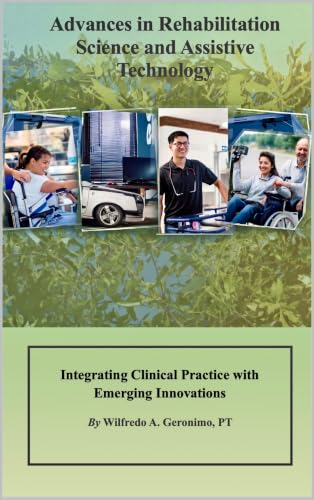
Advances in Rehabilitation Science and Assistive Technology: Integrating Clinical Practice with Emerging Innovations
As an affiliate, we earn on qualifying purchases.
As an affiliate, we earn on qualifying purchases.
Frequently Asked Questions
How Can Families Prepare Emotionally for Mobility Transitions?
To prepare emotionally for mobility shifts, you should strengthen emotional resilience and foster open family communication. Share your feelings honestly, encouraging others to do the same, which helps everyone process changes better. Stay patient and adaptable, understanding that emotions may fluctuate. Supporting each other and discussing concerns openly helps your family navigate the changeover smoothly, reducing stress and creating a united front during this challenging time.
What Financial Options Are Available for Mobility Modifications?
You have several financial options for mobility modifications, starting with checking your insurance coverage, which may include Medicaid, Medicare, or private insurance that can help cover some costs. Additionally, engaging in thorough financial planning can identify grants, assistance programs, or tax credits available to support your needs. Exploring these avenues early guarantees you’re prepared financially, avoiding unexpected expenses and making the shift smoother for your family.
How Do I Choose the Right Mobility Aid for My Family Member?
To choose the right mobility aid, start by evaluating your family member’s needs, considering their mobility, comfort, and safety. Consult with healthcare professionals to explore assistive technology options and recommend suitable home modifications. Test different devices to find one that fits well and feels comfortable. Remember, a well-chosen mobility aid enhances independence and boosts confidence, so take your time and prioritize their unique needs for a perfect fit.
What Legal Considerations Should I Be Aware of During Mobility Changes?
During mobility changes, you should guarantee legal documentation is up-to-date, including power of attorney and healthcare directives, to protect your family member’s rights. Check your insurance coverage to understand what mobility aids and services are covered, avoiding unexpected expenses. It’s also wise to consult a legal professional to navigate any potential disputes or liability issues, making sure you’re fully informed and compliant with regulations throughout the shift.
How Can Families Ensure Safety During the Transition Process?
You can guarantee safety during the shift by evaluating your home for hazards and making necessary modifications to improve home safety, like installing grab bars or removing tripping hazards. Rely on caregiver support to assist with moving and daily routines, and communicate openly about needs and concerns. Planning ahead and involving professionals, such as occupational therapists, helps create a safe environment, reducing the risk of accidents during this challenging time.
Conclusion
You might overlook the importance of planning ahead, but it’s essential. Imagine a family rushing to adapt when their elderly parent needs a wheelchair; with no prior preparation, they scramble, causing stress and delays. Instead, by proactively researching and arranging the right mobility solutions early, you can guarantee smoother shifts and better quality of life for everyone involved. Don’t wait for an emergency—prepare now to make mobility changes less overwhelming.