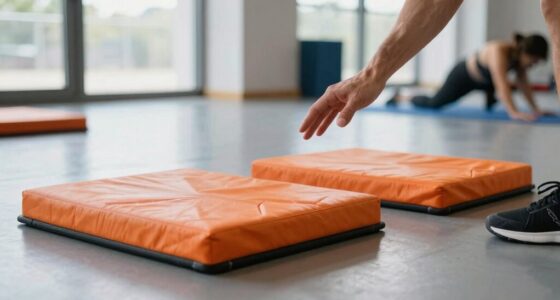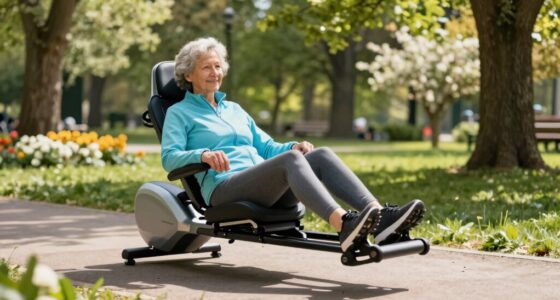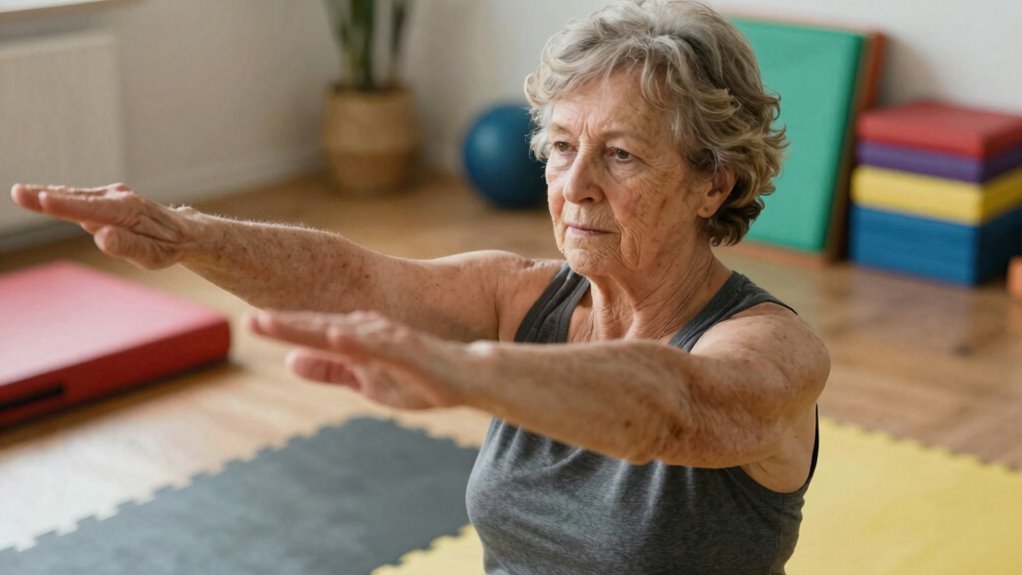

Starting balance training before a fall happens is essential because it helps you stay independent and reduces injury risk. You’ll strengthen key muscles and improve coordination, making everyday movements easier and safer. Early exercises also boost your confidence and reaction time, keeping you alert to potential hazards. By actively improving your balance now, you can prevent falls before they occur. Keep learning how simple, consistent practices can protect your health and mobility far into the future.

Get decor and gifts delivered free with Prime
- Fast, free delivery on millions of items
- Prime Video, Amazon Music and more included
- Member-only deals all year
Key Takeaways
- Early balance training reduces fall risk and helps maintain independence before balance issues develop.
- Preventive exercises strengthen muscles and improve coordination, making falls less likely.
- Starting early promotes confidence and encourages active lifestyles, enhancing overall well-being.
- Balance exercises improve sensory integration, aiding quick reactions to unexpected changes.
- Implementing routines before falls occur minimizes healthcare costs and long-term health complications.

Falls can happen unexpectedly, especially as you get older, but you don’t have to wait until it’s too late to take action. Starting balance training early, before a fall occurs, can markedly reduce your risk and help maintain your independence. One of the key aspects of balance training is improving gait stability, which involves strengthening the way you walk to ensure you stay steady even when faced with uneven surfaces or sudden movements. When your gait is stable, you’re less likely to stumble or lose your footing, making everyday activities safer.
Starting balance training early helps prevent falls and maintains independence through improved gait stability and confidence.
Focusing on gait stability isn’t just about walking; it’s about training your muscles and nervous system to work together smoothly. You can do this through exercises that challenge your balance and promote better coordination. Incorporating sensory exercises into your routine is especially effective, as they help sharpen your body’s awareness of your surroundings and your own movements. These exercises might include standing on different textured surfaces, closing your eyes while maintaining your balance, or shifting your weight deliberately from one foot to the other. By engaging your senses actively, you enhance your body’s ability to react quickly and appropriately to unexpected changes, reducing your fall risk. Additionally, understanding how biodiversity influences environmental conditions can inspire you to create safer, more balanced outdoor spaces for activity. Recognizing the role of environmental factors can help you adapt your outdoor settings to better support your stability and prevent accidents.
Starting balance exercises early also helps you build muscle strength and joint flexibility, which are essential for maintaining stability. Stronger leg muscles support better gait control, while flexible joints allow smoother, more controlled movements. These improvements translate directly into everyday life—making stair climbing easier, reducing wobbliness when reaching for objects, and helping you recover quickly if you do stumble. The benefits extend beyond physical health; confidence in your ability to stay upright encourages you to stay active and engaged in social activities, which further supports your overall well-being. Moreover, preventive measures like regular balance training can significantly decrease healthcare costs associated with falls, emphasizing the importance of early action.
Incorporating targeted exercises into your routine can further enhance your stability, especially when tailored to your individual needs and abilities. It’s important to remember that balance training isn’t about intense workouts or intimidating routines. Simple, consistent exercises tailored to your abilities can make a big difference. Even dedicating a few minutes daily to sensory exercises and gait stability drills can yield noticeable improvements over time. The key is to start before you notice any signs of imbalance or instability. By doing so, you’re not just preventing falls—you’re actively investing in your health, independence, and quality of life. Taking these proactive steps now means you’re better prepared to face daily challenges confidently and safely.
balance training exercises for seniors
As an affiliate, we earn on qualifying purchases.
As an affiliate, we earn on qualifying purchases.
Frequently Asked Questions
How Often Should Balance Training Sessions Be Scheduled?
You should schedule balance training sessions at least two to three times a week for essential injury prevention, especially if you’re involved in winter sports. Consistent practice helps improve stability and coordination, reducing fall risks. Incorporate exercises like single-leg stands or balance boards. Regular sessions strengthen muscles and enhance proprioception, which is vital for maintaining balance on icy surfaces or uneven terrains, ultimately lowering your chances of injury during winter activities.
Are There Age-Specific Balance Exercises for Seniors?
Yes, there are age-specific balance exercises for seniors designed to enhance safety and prevent falls. You can focus on gentle activities like heel-to-toe walks, seated leg lifts, and gentle yoga poses tailored for seniors. These exercises improve stability, coordination, and strength, which are vital for senior safety and fall prevention. Incorporating them into regular routines helps seniors maintain independence and confidence, reducing the risk of dangerous falls.
Can Balance Training Improve Overall Athletic Performance?
Yes, balance training can improve your overall athletic performance. It enhances neuromuscular control and proprioception, helping your body coordinate movements better and react quickly during sports. By focusing on exercises that challenge stability and coordination, you develop stronger core muscles and better body awareness. This not only boosts performance but also reduces injury risk, allowing you to perform at your best and stay protected during intense activities.
What Equipment Is Necessary for Effective Balance Training?
Imagine your body as a tightrope walker—balance equipment keeps you steady. For effective balance training, you need minimal gear, like balance boards, stability balls, and foam pads, which become part of your exercise routines. These tools challenge your core and improve coordination, helping prevent falls. Incorporate them regularly into your workouts, and you’ll build resilience, making every step safer and more confident.
How Long Does It Take to See Improvements in Balance?
You can typically see improvements in your balance within four to six weeks of consistent training. Regular practice helps you develop better coordination and strength, which are essential for injury prevention and reducing fall risk. Keep in mind, the more dedicated you are, the faster you’ll notice progress. Incorporating balance exercises into your routine now can considerably lower your chances of falls and related injuries later.
Conclusion
Starting balance training early is like planting gentle roots that hold you steady through life’s unexpected gusts. When you nurture your stability before a stumble, you create an invisible safety net, softly catching you before you fall. Think of it as tending a delicate garden—each practice a tender sprout strengthening your foundation. By embracing balance now, you’re weaving a resilient web beneath your steps, ensuring that when life’s breeze blows, you remain grounded and graceful.
Columbus Day / Indigenous Peoples' Day Picks
long weekend sales
As an affiliate, we earn on qualifying purchases.