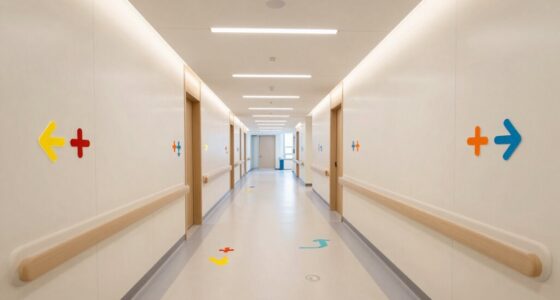

To reduce noise stress in recovery rooms, the key feature is the use of sound-absorbing materials and acoustic panels. These features help dampen background sounds, creating a calmer and more peaceful environment for patients and staff. As a result, patients can wake up more comfortably and recover faster, while staff communicate more effectively. Implementing these acoustic improvements makes the space safer and more supportive. Keep exploring to discover how these features can transform your recovery room environment.

Get decor and gifts delivered free — and shop member deals
- Fast, free delivery on millions of items
- Access to Prime Big Deal Days deals on October 6–7
- Prime Video, Amazon Music and more included
Key Takeaways
- Installation of sound-absorbing materials and acoustic panels to minimize ambient noise.
- Use of soundproofing techniques to contain noise within recovery areas.
- Implementation of advanced ventilation systems that reduce noise levels.
- Design of quiet zones with specialized acoustic features to promote calmness.
- Incorporation of soft furnishings and acoustic treatments to absorb sound and enhance comfort.
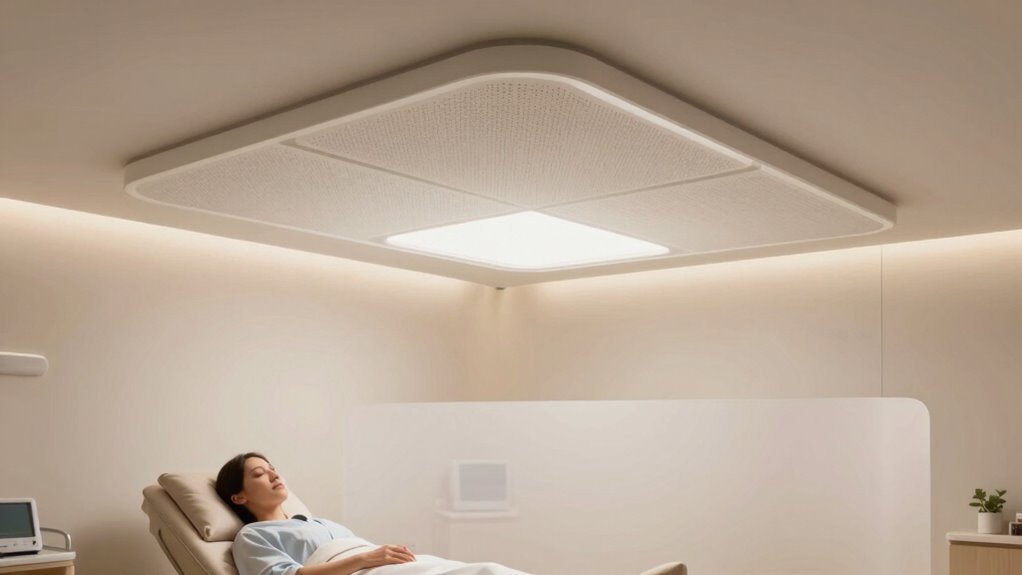
Have you ever wondered how noise levels in recovery rooms impact patient comfort and recovery? When patients wake up from anesthesia, they’re often disoriented and vulnerable. Excessive noise can amplify their discomfort, making it harder for them to rest and recover efficiently. One of the most effective features to address this issue is the installation of sound-absorbing materials and acoustic panels. These elements help create a calmer environment by reducing ambient noise, which directly enhances patient comfort. When patients are less disturbed by loud sounds, they can focus on resting, healing, and regaining strength more quickly. Reduced noise levels also mean that essential signs and patient responses are easier to monitor without interference from background sounds, supporting better overall care. Incorporating acoustic design principles can further optimize the recovery environment for both patients and staff.
Beyond patient comfort, this feature considerably benefits staff communication. In a noisy recovery room, staff members often struggle to hear each other clearly, leading to potential miscommunications or delays in critical interventions. Acoustic improvements ensure that staff can converse effortlessly, share important updates, and coordinate care seamlessly. Clear communication is essential in a recovery setting where quick, accurate exchanges of information can impact patient outcomes. By minimizing background noise through sound-absorbing features, staff can work more efficiently, reducing the risk of errors caused by misheard instructions or overlooked details. Additionally, implementing soundproofing techniques can further enhance privacy and reduce distractions, creating an environment conducive to focused care. The integration of noise mitigation strategies also supports the use of advanced monitoring technology, which can be disrupted by excessive ambient sounds, ensuring more reliable patient assessments. A comprehensive approach to sound management can maximize these benefits and promote optimal recovery conditions.
Additionally, this noise reduction feature fosters a more peaceful atmosphere, which benefits both patients and staff. Patients are less likely to feel anxious or overwhelmed when the environment is quiet and calming. This tranquility can also help staff maintain focus and reduce fatigue, especially during long shifts. When everyone in the recovery room operates in a serene setting, it promotes a culture of calm and professionalism, ultimately leading to higher quality care. Proper ventilation systems that reduce noise can further contribute to a soothing environment and improve air quality for faster healing. The combination of improved patient comfort and smoother staff communication creates an environment that encourages healing and efficiency simultaneously.
Implementing noise reduction features in recovery rooms is a practical, impactful step toward enhancing the overall patient experience. It ensures that patients wake up in a peaceful setting, allowing them to recover without added stress from loud surroundings. At the same time, it empowers staff to communicate more effectively, ensuring that care is timely and accurate. In the end, these acoustic improvements contribute to a recovery environment where everyone feels more comfortable, focused, and supported—making the entire process safer and more pleasant for all involved.
sound-absorbing acoustic panels for recovery rooms
As an affiliate, we earn on qualifying purchases.
As an affiliate, we earn on qualifying purchases.
Frequently Asked Questions
How Long Does It Take for Noise Levels to Decrease in the Recovery Room?
You’ll notice noise levels decrease within a few minutes thanks to noise masking and soundproof barriers. These features work quickly to block out external sounds and create a calmer environment. As the soundproof barriers absorb and reduce noise, and noise masking adds soothing background noise, your stress diminishes faster. Typically, you’ll feel more relaxed in just 5 to 10 minutes, making recovery more comfortable and less stressful.
Are There Specific Noise Reduction Technologies Used in Recovery Rooms?
You’ll notice soundproof barriers and acoustic panels lining the recovery room, creating a calming cocoon. These technologies absorb and block noise, transforming the space into a peaceful haven. The soundproof barriers prevent loud sounds from entering, while acoustic panels reduce echo and background chatter. Together, they craft a quieter environment, helping you relax and recover more comfortably, free from the stress of overwhelming noise.
Can Patients Customize Their Noise Environment During Recovery?
Yes, you can customize your noise environment during recovery with personalized soundscapes and patient-controlled acoustics. Many recovery rooms now offer options for you to select calming sounds or adjust volume levels to suit your comfort. This hands-on control helps you create a more relaxing atmosphere, reducing stress and promoting better healing. By tailoring your auditory environment, you regain some control during a vulnerable time, making your recovery experience more comfortable.
How Does Noise Reduction Impact Patient Recovery Times?
Reducing noise pollution considerably shortens your recovery times by creating a calming healing environment. When noise levels are minimized, your body can focus on healing rather than stress, lowering blood pressure and heart rate. This peaceful atmosphere also helps you sleep better, which accelerates recovery. By controlling noise, you experience less stress and discomfort, ultimately leading to faster healing and a more comfortable recovery process.
Are Staff Trained to Minimize Noise During Patient Recovery?
Yes, staff are trained to minimize noise during patient recovery through dedicated staff training focused on noise mitigation strategies. They learn to speak softly, reduce equipment noise, and manage conversations to create a calm environment. This training helps staff understand the importance of a quiet setting, which can substantially reduce stress for recovering patients. By practicing noise mitigation techniques, staff guarantee a more comfortable, peaceful recovery experience for every patient.
Conclusion
By using the Recovery Room’s noise reduction feature, you can turn chaos into calm and restore your peace of mind. Imagine slipping into a serene oasis amidst a storm—this feature makes that possible. Don’t underestimate its power to eliminate stress and boost your recovery. It’s like having a personal sanctuary right at your fingertips, transforming noisy chaos into tranquil silence. Embrace it, and let your healing journey be as peaceful as a whisper in a windless forest.
Halloween Picks
halloween
As an affiliate, we earn on qualifying purchases.