
Focusing on stability is safer and more effective for many older adults because it strengthens muscles, improves balance, and reduces the risk of falls. High-impact intensity exercises can strain joints and increase injury chances, especially with age-related physical changes. Stability exercises help build confidence, maintain mobility, and support daily activities without risking overexertion. If you stay committed, you’ll discover how gentle stability training can keep you active and independent longer.

Get decor and gifts delivered free with Prime
- Fast, free delivery on millions of items
- Prime Video, Amazon Music and more included
- Member-only deals all year
Key Takeaways
- Stability exercises focus on controlled movements, reducing injury risk compared to high-intensity workouts.
- Improved stability enhances balance and coordination, preventing falls more effectively than intense exercises.
- Older adults benefit from gradual strength gains through stability training without overexertion.
- Stability routines build a safe foundation for maintaining independence and confidence in daily activities.
- High-impact exercises may strain aging joints and muscles, whereas stability training promotes resilience.

As you age, finding the right balance between stability and intensity in your exercise routine becomes essential for maintaining health and preventing injury. While high-intensity workouts can offer benefits, focusing on stability is often more crucial for older adults. Prioritizing balance preservation helps you stay active longer and reduces the risk of falls, which are a leading cause of injury among seniors. Stability exercises strengthen the muscles and joints that support your body, making everyday movements safer and more controlled. When your stability improves, you’re less likely to stumble or lose your footing, and that peace of mind is invaluable.
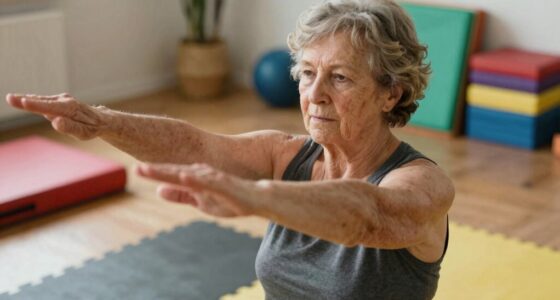
Injury prevention is closely tied to your ability to maintain stability. As you age, natural changes like muscle loss, decreased bone density, and slower reflexes make you more vulnerable to falls and fractures. By emphasizing stability-based activities, such as balance drills, core strengthening, and gentle yoga, you can better counteract these age-related shifts. These exercises don’t just help you stay upright; they also improve coordination and proprioception — your sense of body position — which are vital for avoiding accidents. When you invest in stability training, you create a foundation that minimizes the chances of injuries caused by imbalance or sudden movements. Incorporating stability-focused exercises into your routine can significantly enhance your overall safety and confidence. Remember, engaging in consistent balance exercises can further reinforce your body’s ability to adapt and respond to everyday challenges. Additionally, integrating core strengthening exercises can provide a solid support system for your entire body, making stability improvements even more effective. Developing a comprehensive understanding of age-related physical changes can also motivate you to prioritize stability and safe movement practices. Recognizing the importance of muscle strength and flexibility can help you tailor your workouts to support long-term mobility and safety.
Many older adults mistakenly believe that pushing for higher intensity is the best way to stay fit. While intensity has its place, it shouldn’t come at the expense of stability. High-impact or overly strenuous workouts increase the likelihood of injury if your body isn’t prepared. Instead, you should aim for a balanced approach that combines gentle strength and flexibility exercises with stability work. This approach ensures your muscles and joints are resilient enough to handle daily activities without risking strain or falls. Remember, the goal is sustainable, long-term health, not quick fixes that might compromise your safety.
Focusing on stability doesn’t mean you have to give up all challenging activities. It simply means you should prioritize exercises that enhance your balance and core strength first. Over time, this foundation can support more dynamic movements if you choose to include them. By doing so, you’re actively working towards injury prevention and preserving your independence. Ultimately, stability acts as the safety net that keeps you active and confident, allowing you to enjoy your daily life with fewer worries about falls or injuries. In the end, stability truly beats intensity when it comes to maintaining your health and well-being as you age.
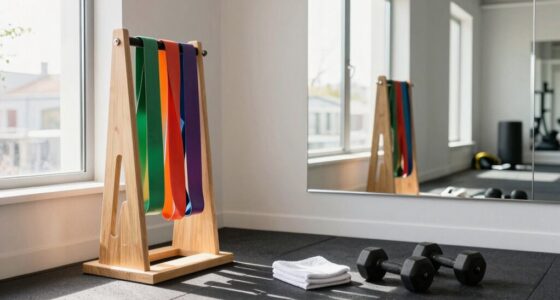
stability exercise equipment for seniors
As an affiliate, we earn on qualifying purchases.
As an affiliate, we earn on qualifying purchases.
Frequently Asked Questions
How Is Stability Measured in Older Adults’ Activities?
You measure stability in older adults’ activities through balance assessments, which evaluate how well they maintain posture and recover from disturbances. Additionally, activity consistency helps gauge their ability to perform daily tasks steadily over time. By tracking these factors, you can determine their overall stability, ensuring they can safely engage in activities without risking falls or injuries. This focus on stability promotes confidence and long-term health.
Can Intensity Be Safely Increased Over Time?
Yes, you can safely increase intensity over time if you focus on progression safety and gradual intensity adaptation. Start with low to moderate activities, then slowly add more challenge as your body adjusts. Pay attention to your body’s signals, avoid pushing through pain, and consult with your healthcare provider. This approach guarantees you build strength and endurance safely, reducing risk of injury while enjoying the benefits of increased activity.
What Are Common Risks of High-Intensity Exercises for Seniors?
High-intensity exercises can substantially increase your risk of injury, especially for seniors. About 75% of fall-related injuries happen during activities like balance training or vigorous workouts. These risks include joint strain, muscle tears, and falls, which can be devastating. To guarantee safe fall prevention, it’s better to focus on moderate, controlled movements that strengthen muscles gradually, reducing the chance of accidents and promoting long-term health.
How Does Mental Health Relate to Activity Stability?
You find that maintaining activity stability supports your mental health by fostering consistency and reducing stress. Incorporating mindfulness practices helps you stay present and manage anxiety, while social engagement keeps you connected and combats loneliness. Together, these habits create a stable routine that boosts your mood, enhances cognitive function, and promotes overall well-being. Staying consistent with activities, rather than pushing intensity, helps you feel more balanced and mentally resilient.
Are There Specific Activities Better Suited for Stability?
You’ll find that balance training and functional exercises are your best friends for stability. These activities help you master everyday movements—like standing tall, walking steadily, or reaching for objects—without risking a tumble. By focusing on gentle, consistent routines, you build a fortress of stability around you, making every step feel confident and secure. Forget about wild intensity; slow and steady wins the race for lasting health and independence.
Conclusion
You might be surprised to learn that over 60% of older adults who focus on stability in their exercises experience fewer falls and injuries. Prioritizing stability over intensity helps build a solid foundation, boosting confidence and independence. Remember, it’s not about pushing yourself to the limit but maintaining consistency and balance. By choosing stability, you’re investing in a safer, more active future—proof that gentle progress can lead to powerful, lasting health benefits.
Halloween Picks
halloween
As an affiliate, we earn on qualifying purchases.