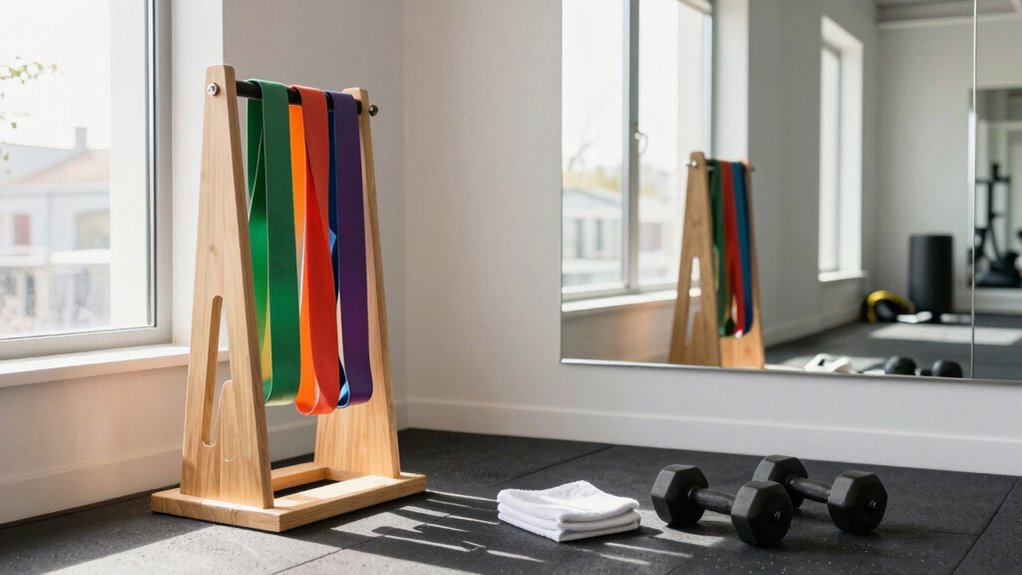

To start resistance training without feeling overwhelmed, begin with simple bodyweight exercises like push-ups, squats, or planks, and focus on proper form. Gradually increase intensity by adding repetitions, sets, or light weights over time. Keep workouts short and consistent—2 to 3 times a week—and track your progress. Focus on steady improvement and learn about progression strategies. If you keep exploring, you’ll find easy ways to stay motivated and make long-term gains.

Get decor and gifts delivered free with Prime
- Fast, free delivery on millions of items
- Prime Video, Amazon Music and more included
- Member-only deals all year
Key Takeaways
- Begin with bodyweight exercises like push-ups and squats to build confidence and understand proper form.
- Set clear, achievable goals and create a simple, structured weekly workout plan.
- Start with light resistance and gradually increase intensity to prevent feeling overwhelmed.
- Track your workouts to monitor progress and stay motivated.
- Focus on learning proper technique and consistency for long-term success.
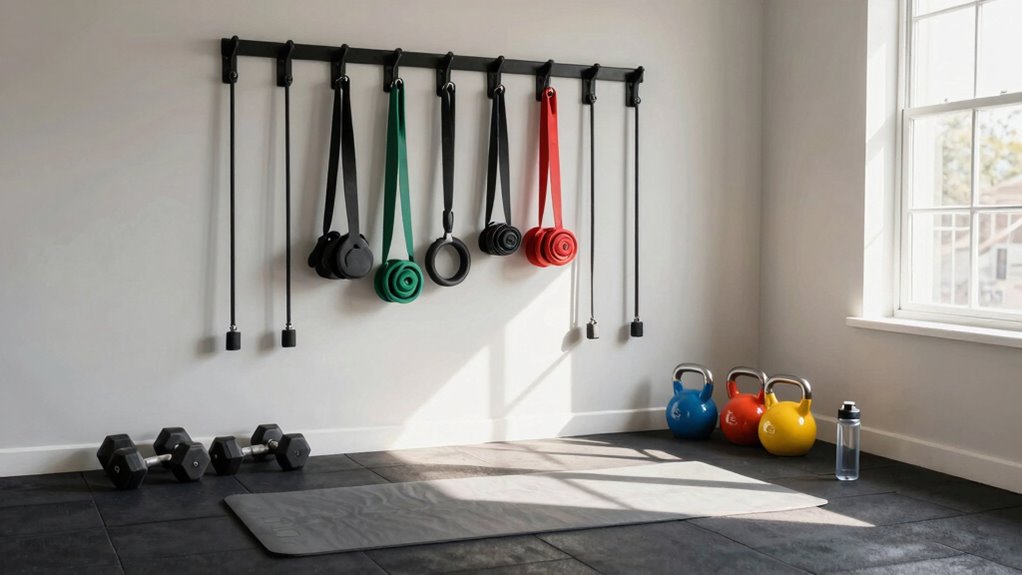
Starting resistance training can seem intimidating at first, but with the right approach, it becomes a manageable and rewarding process. The key is to focus on progression planning and equipment selection from the outset. Progression planning means gradually increasing the difficulty of your workouts to challenge your muscles and promote growth. You don’t need to lift heavy weights immediately; instead, start with manageable resistance and build up over time. As you become more comfortable, add repetitions, sets, or weight to keep progressing. This approach helps prevent plateaus and reduces the risk of injury, making your workouts sustainable and effective. Incorporating proper technique is also essential to maximize benefits and minimize injury risk. When it comes to equipment selection, you want to choose tools that suit your current fitness level and goals. If you’re just starting, bodyweight exercises like push-ups, squats, and planks are excellent because they require no equipment and help you learn proper form. As you progress, consider investing in basic equipment such as resistance bands, dumbbells, or kettlebells. These options are versatile, affordable, and easy to store at home. When selecting equipment, prioritize quality and comfort—comfortable grips and adjustable weights can make a big difference in your workout experience. Remember, you don’t need fancy gear to get started; the right equipment simply supports your progression and helps you stay motivated. Creating a simple plan is your next step. Decide how many days a week you can commit to training and choose exercises targeting different muscle groups. Start with 2-3 sessions per week, focusing on full-body routines or alternating muscle groups to allow recovery. Keep your workouts short and focused, around 30 to 45 minutes, especially as you’re just beginning. As you gain confidence and strength, you can increase the frequency and complexity of your routines. Tracking your progress plays a pivotal role in resistance training. Keep a journal or use an app to record exercises, weights, repetitions, and how you feel during each session. This not only keeps you motivated but also helps you identify when it’s time to increase resistance or try new exercises. Additionally, understanding your muscle engagement can help optimize your workout and prevent overtraining. Incorporating progression strategies can further enhance your results by systematically challenging your muscles over time. It’s also helpful to educate yourself about training principles to develop a more effective and personalized routine. Remember, the goal is consistency and gradual improvement. If you stay patient and disciplined, you’ll build strength, confidence, and a lasting fitness habit. Starting resistance training is about taking small, steady steps—each one bringing you closer to your goals without feeling overwhelmed.
As an affiliate, we earn on qualifying purchases.
Frequently Asked Questions
How Often Should I Perform Resistance Training Each Week?
You should perform resistance training about 2 to 3 times per week for a balanced training schedule. This workout frequency allows your muscles to recover while building strength effectively. Start with full-body workouts or split routines depending on your goals. Consistency is key, so choose a schedule that fits your lifestyle and stick with it, gradually increasing intensity to see steady progress.
Can I Start Resistance Training at Home Without Equipment?
Absolutely, you can jump into resistance training at home without fancy equipment. Think of bodyweight exercises as your friendly equipment alternatives—push-ups, squats, lunges, and planks work wonders. These moves help build strength and can be easily modified to match your fitness level. With consistency and proper form, you’ll enjoy your workout journey, feeling energized and accomplished without needing any gear. It’s all about making movement fun and accessible!
What Are Common Mistakes Beginners Make in Resistance Training?
You often make mistakes like neglecting proper form, which can lead to injuries, or sticking to the same workout routine, limiting progress. It’s important to focus on maintaining proper form throughout each exercise to maximize effectiveness and prevent strain. Also, incorporate workout variety to challenge your muscles differently, avoiding plateaus. Listening to your body, gradually increasing intensity, and seeking guidance when needed can help you build confidence and stay on track.
How Do I Prevent Injuries While Starting Resistance Training?
To keep injuries at bay, focus on proper form with every move, and don’t rush progress. Start with lighter weights to master technique, gradually increasing intensity. Warm up thoroughly and listen to your body—if something feels off, ease up. Prioritize injury prevention by incorporating rest days and stretching. Consistent attention to form and gradual progression protect your muscles and joints, helping you enjoy resistance training safely and effectively.
Is It Necessary to Warm up Before Resistance Exercises?
Yes, warming up before resistance exercises is essential. You should start with gentle stretching routines to loosen your muscles and improve flexibility. Additionally, proper hydration helps prevent cramps and fatigue during your workout. A warm-up increases blood flow, reducing injury risk and enhancing performance. Skipping this step can lead to strains, so always allocate a few minutes for stretching and hydration before diving into resistance training.
Conclusion
Starting resistance training might feel like stepping into a vast, unfamiliar forest, but remember, every journey begins with a single step. Keep it simple, stay consistent, and listen to your body. Just like a gentle sunrise gradually brightens the sky, your confidence will grow with each workout. Soon, you’ll see progress and feel stronger, more energized. Embrace the process—you’re building a foundation that will support you for years to come. Keep going, and enjoy the transformation.
Columbus Day / Indigenous Peoples' Day Picks
long weekend sales
As an affiliate, we earn on qualifying purchases.