
Light therapy uses specific colors and brightness levels to boost your mood and regulate your internal clock. Bright, full-spectrum light at around 10,000 lux, especially in the blue and white spectrum, can help reset your circadian rhythms and improve feelings of well-being. Adjusting the color and intensity of light may enhance its effectiveness, helping you feel more energized and balanced. If you want to discover how to optimize your light settings, there’s more to explore.
Key Takeaways
- Different light colors, such as blue and white, can influence alertness and mood by stimulating specific brain pathways.
- Brightness levels, ideally around 10,000 lux, are essential for effective light therapy to reset circadian rhythms.
- Using full-spectrum light that mimics natural sunlight enhances hormonal balance, improving mood and energy.
- Proper positioning and consistent daily sessions maximize the positive effects of light color and brightness on mood.
- Adjusting light intensity and color can help tailor therapy to individual needs, optimizing mental health benefits.
Have you ever wondered how light can influence your mood and health? It’s surprising how something as simple as exposure to certain types of light can have a profound impact on how you feel each day. For many, especially during the darker months, the lack of natural sunlight can lead to Seasonal Affective Disorder (SAD), a form of depression that occurs at specific times of the year, often in winter. Light therapy offers a practical way to combat this, by mimicking natural sunlight to help regulate your body’s internal clock, known as Circadian Rhythms. These rhythms govern your sleep-wake cycle, hormone production, and overall energy levels. When your Circadian Rhythms fall out of sync due to reduced sunlight, it can cause feelings of fatigue, depression, and disrupted sleep patterns.
Light exposure influences mood, sleep, and energy—especially during darker months when natural sunlight is limited.
During winter months or in environments where sunlight is limited, your body’s internal clock struggles to maintain its natural rhythm. This is where light therapy comes in. By sitting in front of a specialized light box each morning, you expose yourself to a bright, full-spectrum light that resembles natural sunlight. This exposure helps reset your Circadian Rhythms, signaling your brain that it’s daytime and encouraging wakefulness and alertness. Over time, this can lift your mood, improve sleep quality, and increase your overall sense of well-being. Importantly, light therapy doesn’t just boost your mood; it also influences the production of hormones like serotonin and melatonin, which play essential roles in regulating your mood and sleep patterns.
Choosing the right type of light is key. Typically, a light box emitting at least 10,000 lux is recommended, and it should be positioned about 16 to 24 inches from your face, with your eyes open but not staring directly into the light. You don’t need to look directly at the light, which can be uncomfortable or damaging, but you should be exposed enough for your eyes to absorb its benefits. Consistency is essential; many people find that daily sessions in the morning provide the best results. Over time, this routine helps your body’s internal clock stay aligned with the natural day-night cycle, making you feel more energized and emotionally balanced. Additionally, understanding how Light Intensity affects your biological responses can help you optimize your light therapy sessions for better results.
In essence, understanding how light influences your Circadian Rhythms can empower you to take control of your mental health. Light therapy isn’t just about brightness; it’s about harnessing the power of light’s color and intensity to improve your mood and restore harmony to your biological clock. Whether you’re dealing with SAD or simply want to optimize your daily energy, using light thoughtfully can make a significant difference in your overall health and happiness.
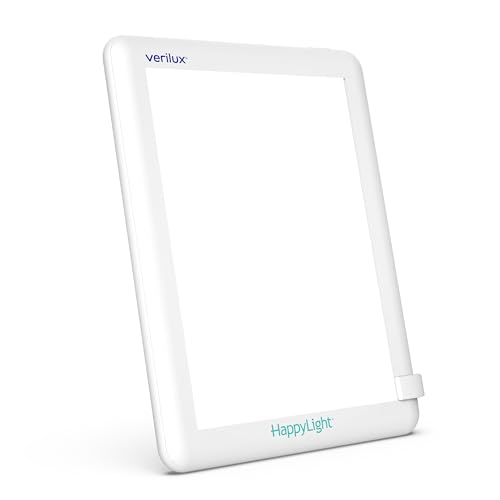
Verilux HappyLight Lucent – One-Touch Light Therapy Lamp with 10,000 Lux, UV-Free, LED Bright White Light & Detachable Stand for Boosting Mood & Improving Sleep
- Easy One-Button Operation: Simple on/off button for quick use
- 10,000 Lux UV-Free Light: Delivers full-spectrum, flicker-free light
- Enhances Mood and Sleep: Boosts energy, focus, and sleep quality
As an affiliate, we earn on qualifying purchases.
As an affiliate, we earn on qualifying purchases.
Frequently Asked Questions
Are There Any Risks Associated With Prolonged Light Therapy Sessions?
Prolonged light therapy sessions can pose risks like UV exposure, which may damage your skin and eyes if not properly safeguarded. You might also experience eye strain or headaches from extended use. To minimize these risks, follow recommended durations, use appropriate eye protection, and consult a healthcare professional. Avoid overexposure and listen to your body’s signals to ensure safe and effective benefits from light therapy.
Can Light Therapy Be Effective for Seasonal and Non-Seasonal Depression?
Yes, light therapy can be effective for both seasonal and non-seasonal depression. You might find it works well as an alternative treatment, especially when combined with lifestyle modifications like regular exercise and improved sleep habits. By exposing yourself to bright light each day, you can help regulate your mood and circadian rhythms, making it a valuable option alongside other therapies. Always consult a healthcare provider to guarantee it’s right for you.
How Does Light Therapy Compare to Medication for Mood Improvement?
Think of light therapy as a gentle sunrise, waking you up softly, unlike medication, which can feel like a heavy alarm clock. Light therapy often has fewer side effect profiles, making it a safer alternative treatment for mood improvement. While medication works chemically, light therapy boosts your natural mood-regulating systems. If you’re cautious about side effects, you might find light therapy a more appealing option, especially for seasonal or non-seasonal depression.
What Types of Light Bulbs Are Safest for Therapeutic Use?
You should choose LED bulbs designed specifically for therapeutic use, as they offer ideal LED safety and minimal UV emission. Look for bulbs with certified safety standards to avoid eye strain or skin irritation. LED bulbs also tend to have better bulb durability, lasting longer without flickering or losing brightness. This makes them a safer, more reliable option for light therapy, ensuring you get consistent, effective mood improvements without unnecessary risks.
Is Light Therapy Suitable for Children and Teenagers?
Light therapy can be suitable for children and teenagers when you prioritize child safety and consider developmental considerations. Always consult a healthcare professional before starting, as they can recommend appropriate exposure times and device types. You need to monitor their response closely and guarantee they don’t experience discomfort. By doing so, you help maximize benefits while minimizing risks, making sure the therapy supports their growth and emotional health effectively.
Conclusion
As you embrace the gentle glow of light therapy, envision the dawn breaking through a cloudy sky, casting warm, vibrant hues that awaken your senses. This simple yet powerful practice invites brightness into your life, transforming shadows of gloom into radiant clarity. With each moment spent basking in this soothing illumination, you invite a renewed sense of importance and balance, guiding your mood from dusk to dawn with the soft, reassuring glow of hope and renewal.